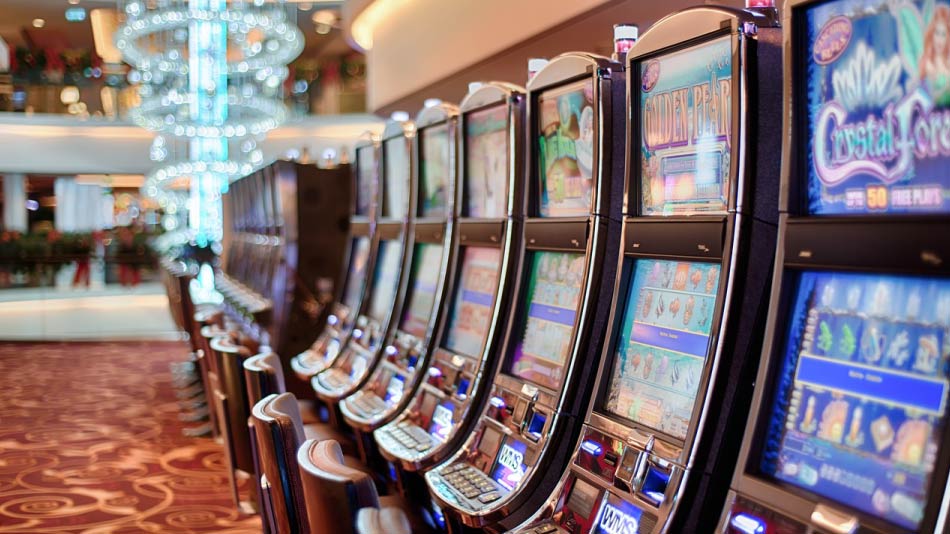
In our current digital age, TikTok has become a global titan, hooking millions with its addictive short-form videos. But behind the facade of dance trends and creativity, a worrying pattern has emerged: the normalization of gambling. This alarming shift has forced authorities worldwide to step in, implementing various bans and strict regulations to stop the spread. This piece examines why TikTok became an attractive spot for betting, how governments responded, and the wider social consequences of this trend.
Why TikTok Became a Magnet for GamblingThe Allure of TikTok as a Gambling Venue
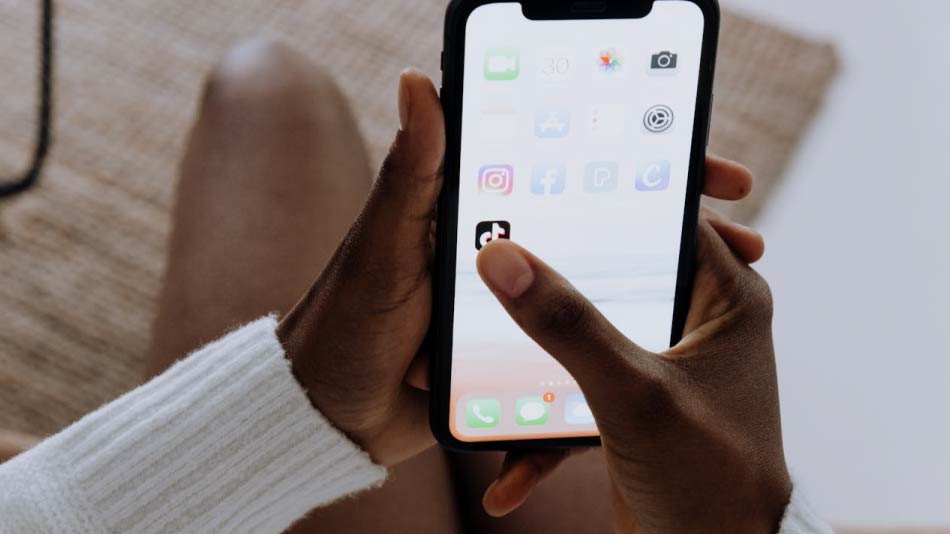
The highly interactive nature of TikTok has made it the perfect breeding ground for betting activities. Because the platform's algorithms prioritize high-engagement content, they have accidentally amplified the reach of gambling videos. Many users are lured in by clips that seem like harmless fun, only to be sucked into a complex network of betting games and risky challenges. This effortless slide from watching a video to placing a bet has sparked serious alarms regarding user safety and the risk of addiction.
When Entertainment Morphs Into a Gambling Hub
Real-world examples show just how quickly a platform built for entertainment, like TikTok, can be repurposed as a gambling center. By using interactive challenges and the lure of 'fast cash,' users are tricked into betting, effectively erasing the line between a lighthearted hobby and dangerous financial behavior.entertainment platforms like TikTok can transform into hubs for gambling. Through interactive challenges and the promise of easy money, users are enticed into participating in gambling activities, blurring the line between harmless fun and risky behavior.
How Governments are Tackling Online BettingGovernmental Interventions on Online Gambling
As gambling on TikTok became more widespread, nations around the world began introducing bans and new laws. These global responses vary significantly, ranging from total prohibitions to more flexible regulatory systems. In Nepal, for instance, the government's fight against TikTok gambling illustrates the immense difficulty of policing digital spaces and online casinos such as MCW.online casinos like MCW.
The Rise of Government Bans
Nepal's struggle with TikTok gambling is just one example of a global battle. These bans prove that governments view the issue as a serious threat, while also highlighting how hard it is to enforce local laws on digital platforms that operate across international borders.
Legal Frameworks & Policies in Nepal
Whether Nepal's current efforts to stop online gambling—especially on TikTok—are actually working is a complex question that deserves a detailed look. The country's legal policies are currently at a crossroads, trying to balance traditional cultural values with the rapid pace of technological change.Nepal’s legal frameworks and policies surrounding online gambling are at a critical juncture, reflecting both the nation’s commitment to cultural values and the challenges posed by technological advancements.
Nepal's approach to betting is rooted in the Public Gambling Act of 1972, which makes gambling illegal. However, this law was written long before the internet existed and doesn't specifically cover the nuances of modern online platforms like MCW. This legal gray area created a loophole that allowed TikTok to accidentally become a venue for gambling.
Realizing that the law was outdated, the Nepali government has started updating its legal framework. A key move was the introduction of the Information Technology Bill, designed to regulate digital content and platforms. Although the bill is still being debated, it shows a clear desire to crack down on online betting and align with the global trend of stricter internet oversight.
The success of Nepal's new policies will likely depend on a few key elements:
- Legal Precision: The law must clearly define what 'online gambling' actually means. It is vital to distinguish between a casual mobile game and actual gambling, as these two are often blurred on social media.Clarity and Scope: Clear definitions of online gambling within the law will be crucial. This includes distinguishing between casual gaming and gambling activities, which is often blurred on social media platforms like TikTok.
- Effective Enforcement: Since these activities happen in a digital space, simply passing a law isn't enough. Success will require tight coordination between the police, internet providers, and the platforms themselves.Enforcement Mechanisms: The challenge of enforcing online gambling bans lies in the digital nature of the activities. Effective enforcement will require coordination between legal authorities, internet service providers, and platforms like TikTok.
- Education and Public Outreach: Law enforcement is only half the battle; reducing the demand is equally important. Public awareness campaigns can help people understand the financial and psychological traps of gambling.Public Awareness and Education: Equally important is the role of public education in reducing the demand for online gambling. Awareness campaigns can inform citizens about the legal and psychological risks associated with gambling.
- Partnerships with Tech Giants: Working directly with the companies that run these platforms is the only way to effectively monitor and block gambling content using advanced detection tools.Collaboration with Tech Companies: Engaging with technology companies and platforms is essential for monitoring and controlling gambling content. This includes developing technologies and protocols to identify and block gambling-related activities.
- Support Systems: For those who have already fallen into addiction, providing access to counseling and rehab is essential. A legal ban is more effective when paired with social support for the victims.Support Services: For those affected by online gambling, access to support services and rehabilitation programs is key. This holistic approach ensures that the legal framework is complemented by measures to address the social impact of gambling.
The Social Toll of TikTok GamblingThe Social Impact of Gambling on TikTok
We cannot ignore the psychological damage caused by gambling on TikTok. What begins as a curious distraction can rapidly turn into a full-blown addiction, devastating a person's finances and mental health.gambling on TikTok users cannot be overstated. For many, what starts as casual entertainment can quickly spiral into addiction, with significant implications for their financial health and overall well-being.
Public and Private Sector Responses
In response to this crisis, both the state and private companies have stepped up. Tech firms, including TikTok, have implemented tools to flag and delete gambling content. Simultaneously, NGOs and community groups have started initiatives to educate the public and offer a lifeline to those struggling with addiction.
Final Reflections on the TikTok Gambling TrendConcluding Thoughts on the Gambling Phenomenon on TikTok
The transition from harmless entertainment to gambling addiction on TikTok is a stark warning about the hidden dangers of social media. This phenomenon proves that solving these issues requires a collective effort and a renewed sense of digital responsibility.
The Way Forward
Ultimately, the rise of betting on TikTok and the subsequent government crackdowns reveal a major flaw in our modern digital landscape. We must find a way to encourage innovation while ensuring user safety. Moving forward, it is up to governments, tech companies, and the users themselves to ensure the internet remains a safe, creative, and positive space for everyone.
FAQs
In what way does TikTok's algorithm help gambling content spread?How does TikTok’s algorithm contribute to the spread of gambling activities?
Because TikTok's algorithm prioritizes content that keeps people watching and interacting, gambling videos—which are often designed to be high-energy—get pushed to more people. This means users are often exposed to betting content even if they never searched for it.
What steps are authorities taking to stop gambling on TikTok?What measures are governments taking to combat gambling on TikTok?
Governments are introducing specific laws and bans aimed at gambling on social media. Depending on the country, this involves everything from stricter content moderation to heavy legal penalties for those promoting illegal bets.
What is the psychological impact of TikTok gambling on its users?What are the psychological effects of gambling on TikTok users?
The impact varies from simple curiosity to a severe, life-altering addiction. This often leads to high levels of stress, chronic anxiety, and devastating financial loss.
How can we prevent the spread of gambling on TikTok?What can be done to prevent gambling on TikTok?
Prevention requires a multi-pronged approach: TikTok must improve its content filters, governments must launch educational campaigns, and there must be accessible support services for those already addicted.
How are the public and private sectors collaborating to fight this?How do the public and private sectors respond to online gambling on TikTok?
The public sector focuses on legislation, policing, and official bans. The private sector—specifically social media companies—handles the technical side by updating community guidelines and using moderation tools to limit gambling content.
Can AI be used to track and stop gambling content on TikTok?Can artificial intelligence help in monitoring gambling content on TikTok?
Absolutely. Artificial intelligence can be trained to recognize the specific patterns, keywords, and visual markers associated with gambling, allowing the platform to remove such content automatically and in real-time.