
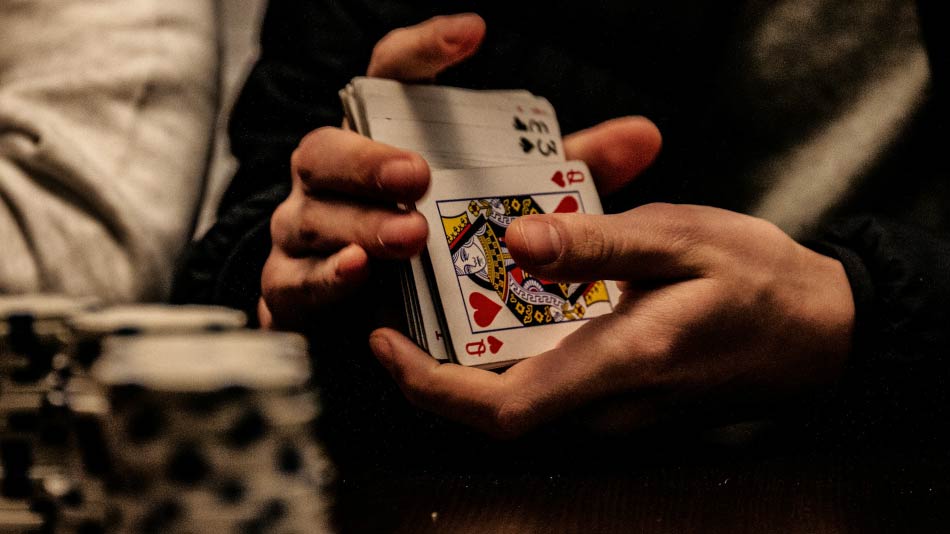
Jhyap/Dhumbal—also known as Dhumbai or Yaniv internationally—is more than just a card game; it is a deeply rooted part of Nepal's cultural identity. While many Western games are all about winning tricks or racking up points, Jhyap/Dhumbal turns the tables. It uses a clever draw-and-discard system where the goal is minimalism and strategic foresight.
Beyond being a simple hobby, the game is a cornerstone of social life during Nepalese family reunions and festivals. It acts as a bridge between the old and the young, perfectly capturing the playful and spirited nature of the country.
The beauty of the game lies in its balance: it's simple enough for a child to pick up quickly, yet complex enough to keep seasoned adult players engaged in a high-stakes competitive match.
While the basic rules are easy to grasp, becoming a pro requires a sharp eye, a knack for tactics, and a solid understanding of risk and probability. As we dive into the mechanics of Jhyap/Dhumbal, you'll see why it remains a beloved tradition in Nepal—and why MCW Nepal is the premier place to play it.MCW Nepal for this game.
The Objective and Players
The goal is simple: end the round with the lowest possible point total in your hand. Designed for 2 to 5 players, it's a flexible game that fits perfectly into both intimate family nights and larger social gatherings. Because it's so inclusive, people of all ages can enjoy it together.
Breaking Down the Deck and Card ValuesUnderstanding the Deck and Card Values
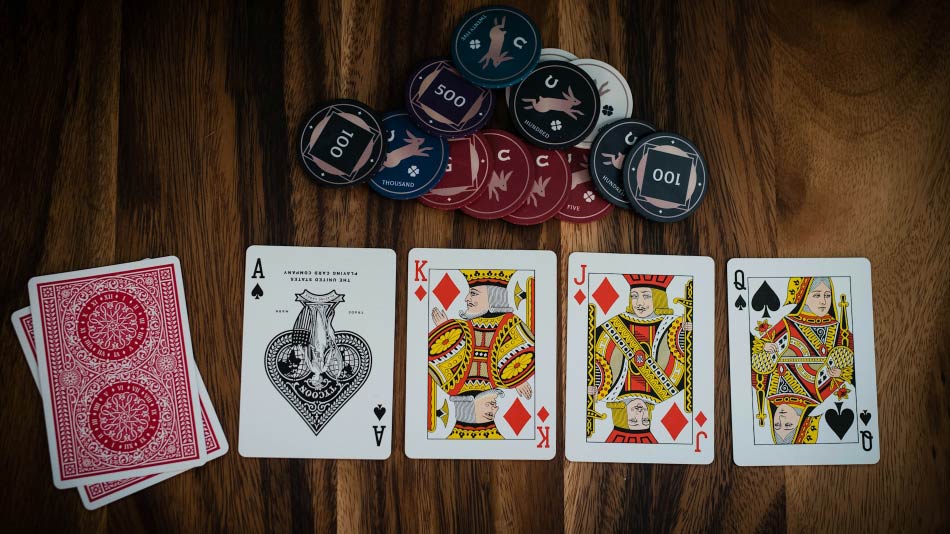
The game utilizes a 54-card deck, consisting of the standard 52 cards plus two jokers. Here is how the values are calculated:card deck, which includes the standard 52 cards plus 2 jokers. The card values are as follows:
- Joker: 0 points
- Ace: 1 point
- 2-10: Face value
- J, Q, K: 10 points each
Paying close attention to card values is vital, as this knowledge dictates when you should discard a card and when you should call the end of the round.
The Deal
To start, a dealer is chosen at random to shuffle and distribute five cards to each participant, dealt face-down. The remaining cards stay in the center as the stockpile. To kick things off, the top card of the stockpile is flipped over to create the discard pile.
The Play
Play moves clockwise, starting with the person to the dealer's left. On your turn, you generally have two paths to take:
1. Discard and Pick Up:1. Discard and Pick Up:
- You can get rid of a single card, a set of matching ranks (such as two 6s or four Kings), or a suited sequence of three or more cards (like the 4, 5, and 6 of spades). Keep in mind that sequences must follow a strict order, and Aces are always treated as the lowest value.
- No matter how many cards you discard in a single move, you only draw one new card—either from the face-down stockpile or from the top of the discard pile.
2. Declare Jhyap or Yaniv:2. Declare Jhyap or Yaniv:
If you believe your hand has the lowest total value, you can announce “Jhyap” or “Yaniv” to trigger the end of the round. This declaration must be made right at the start of your turn.
Strategic Play and Decisions
Success in Jhyap/Dhumbal isn't just about the luck of the draw; it's about mental strategy. You have to weigh the benefit of discarding a card to lower your score against the risk of giving an opponent a card they desperately need. Timing your “Jhyap” call is critical, as a premature or incorrect call can result in heavy penalties.
Ending the Game and Scoring
Once a player calls “Jhyap” or “Yaniv,” everyone reveals their cards to settle the score:Yaniv” is declared, all players reveal their hands:
- If the person who called it actually has the lowest hand, they earn 0 points. Everyone else totals up their cards and adds those points to their score.
- However, if another player is found to have a lower total than the caller, the caller is penalized with 30 points plus the value of their own hand. The other players simply record the points they currently hold.
- The player who finished the previous round with the lowest score deals the next one. The match continues until a player hits a predetermined point ceiling (usually 200), at which point they are eliminated.
Kluft: Another Variation
Kluft is a Dutch twist on Jhyap, though the name doesn't have a specific literal translation in Dutch. This version introduces several unique modifications to the standard rules:
- In this version, you can only take the topmost card from the discard pile. When playing a sequence, you can choose whether to lay the cards out in ascending or descending order. This allows you to decide which card stays visible on top. Generally, players leave the highest card exposed unless they want to tempt the next player with a low card.
- When discarding a set of matching ranks, the player decides which specific suit remains face-up on the pile.
- Jokers in this version are strictly zero-value cards and cannot be used as wildcards to complete sequences.
Ending the Game:
To wrap up a game, a player starting their turn with 5 points or fewer can call “Kluft,” claiming they have the lowest (or tied for lowest) score. Unlike the standard game, the 'Kluft' caller doesn't show their cards immediately.The player who calls “Kluft” does not immediately reveal their cards.
Instead, other players must decide if they want to simply reveal their hands or challenge the claim by calling “Onderkluft.” An “Onderkluft” call means the player is confident their score is even lower than the original caller's and anyone else who has challenged.
Usually, a player only risks an “Onderkluft” call if they have 4 points or fewer; if they have 5 or more, they'll likely just show their cards and accept the result.
- If no one challenges with “Onderkluft,” the caller gets zero points, and everyone else scores their hand's total. If someone else actually had a lower score but didn't challenge, the caller still gets zero points without penalty.
- If there are “Onderkluft” challengers, the one with the absolute lowest hand wins and scores zero. Any challenger who didn't have the lowest score is hit with a 15-point penalty on top of their hand value. In the case of a tie among challengers, the person who called it first takes the win.
- Anyone whose total score climbs above 100 is knocked out of the game. Interestingly, if a player hits exactly 100, their score is cut in half to 50.
Conclusion
Jhyap/Dhumbal is a beautiful reflection of Nepal's cultural diversity, blending social bonding and tradition with intellectual challenge. It's a game that fosters friendship and sharpens the mind, making it a vital piece of Nepalese heritage.
Ready to try your hand at Nepalese poker? Join MCW today and connect with a global community of players to master Jhyap/Dhumbal. Whether you're looking for a relaxed pastime or a competitive challenge, MCW is the perfect place to start.Sign up at MCW and connect with players from around the globe to master Jhyap/Dhumbal. Whether you’re seeking a casual game or competitive play, MCW offers the perfect platform to explore this fascinating game.